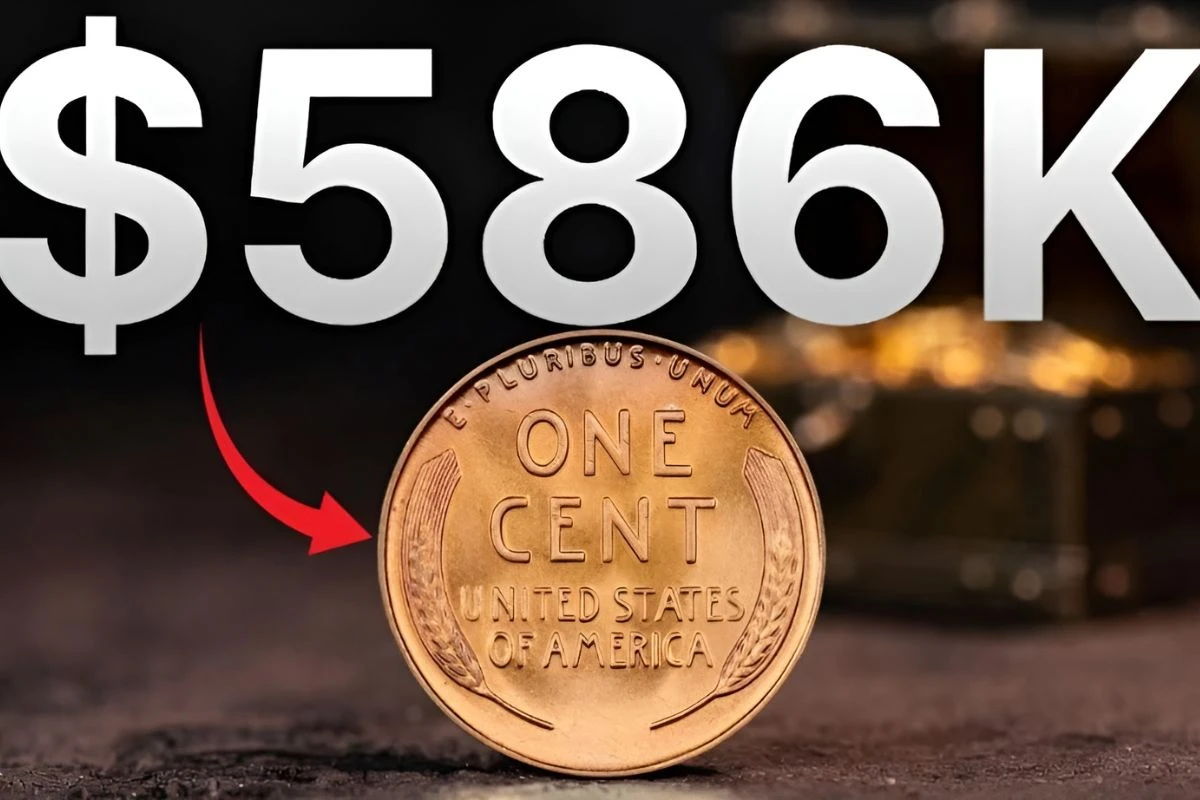
The $586K rare Lincoln wheat penny stands as one of the most extraordinary discoveries in American numismatics. This small copper coin—which most people would likely overlook among the loose change in their pockets—has now become a symbol of hidden wealth and historical significance. Collectors across America continue their quest for this rare treasure, hoping to stumble upon one of the few surviving specimens that could transform their financial future overnight.
The Origins of the Wheat Penny
The Lincoln Wheat Penny was first introduced in 1909 to commemorate the 100th anniversary of Abraham Lincoln’s birth. Designer Victor David Brenner created the iconic profile that Americans still recognize today; it was the first U.S. coin to feature the likeness of a real person. The reverse side of the coin depicted two stalks of wheat, giving the coin its popular nickname. This coin remained in production until 1958, when it was replaced by the Lincoln Memorial design.
The 1943 Copper Error
The most valuable Lincoln Wheat Penny—which fetched up to $586K at auction—was the 1943 copper version, a coin that, by all accounts, should not have existed. During World War II, the U.S. Mint began using zinc-coated steel to produce pennies in order to conserve copper for military ammunition and equipment. However, a few copper blanks from 1942 were accidentally left behind in the machinery and subsequently struck with the 1943 date, resulting in the creation of approximately 15 to 20 “error coins.”
Why This Penny Is Significant
The value of the 1943 copper penny stems from its extreme rarity and the intriguing story behind its creation. Unlike coins that were intentionally minted, these were genuine errors that slipped past quality control amidst the chaos of wartime production. Every certified specimen stands as tangible proof of a pivotal era in American history—a time when every resource was precious to the war effort. This confluence of rarity, historical context, and the element of human error makes these pennies immensely appealing to serious collectors.

The Complexity of the Authentication Process
Determining whether a 1943 penny is genuine copper or standard steel requires professional examination. Numerous counterfeiters have attempted to deceive unsuspecting buyers by altering 1948 pennies (such as by removing the digit “8”) or by plating steel pennies with copper. Accurate identification involves weighing, testing for specific gravity, and microscopic analysis conducted by certified numismatic experts. A genuine copper coin weighs approximately 3.11 grams, whereas a steel coin weighs only 2.7 grams.
Record-Breaking Auction Sale
The selling price of $586,000 was realized at an event hosted by Heritage Auctions, where a pristine specimen—graded MS63 Brown by the Professional Coin Grading Service—was acquired by an eager buyer. This figure not only underscores the coin’s rarity but also reflects the competitive spirit of elite collectors, who view such acquisitions as investment opportunities. Previous sales of similar coins have ranged from $200,000 to over $1 million, depending on the coin’s condition and its provenance.
The Impact of Condition Grading
The numerical grading system employed by professional services exerts a profound influence on the market value of a rare penny. Coins are evaluated on a scale of 1 to 70, with higher numbers indicating a superior preservation of original details and surface quality. A 1943 copper penny in poor condition might sell for $100,000, whereas an exceptional specimen can command a seven-figure price. Even minor variations in the quality of the coin’s strike, the retention of its original color, and the presence of surface marks can result in significant fluctuations in value.

Value of the 1943 Copper Penny by Grade
| Coin Grade | Condition Description | Estimated Value Range |
|---|---|---|
| Good (G-4) | Heavy wear, details visible | $60,000 – $85,000 |
| Fine (F-12) | Moderate wear, clear features | $100,000 – $150,000 |
| Very Fine (VF-20) | Light wear, good detail | $175,000 – $250,000 |
| Extremely Fine (EF-40) | Minimal wear, sharp details | $300,000 – $400,000 |
| Mint State (MS-60+) | No circulation wear | $500,000 – $1,000,000+ |
Similar Valuable Errors
Apart from the 1943 copper penny, other error varieties of the Lincoln Wheat Penny command impressive prices in today’s market. The 1944 steel penny—created when leftover steel dies were accidentally used to strike coins after production had reverted to copper—is one of the most sought-after varieties. Furthermore, the 1955 “double die” penny—which exhibits a dramatic doubling of the date and lettering—regularly sells for thousands of dollars when found in good condition.
Market Trend Analysis
The rare coin market has demonstrated remarkable resilience over the past two decades, with the value of iconic coins consistently appreciating regardless of broader economic conditions. The sale of a Lincoln Wheat Penny for $586,000 reflects broader trends in which elite collectors view numismatic treasures as alternative investments—much like fine art or vintage automobiles. Demand continues to rise as wealthy individuals seek tangible assets that combine historical significance with the potential for capital appreciation.
Prospects for Discovery Today
Although finding a 1943 copper penny in circulation today seems nearly impossible, numismatic experts suggest that many such coins remain undiscovered and could, theoretically, still surface in the future. Most discoveries occur when collectors examine inherited collections or when someone finally sorts through an old jar of coins saved by their grandparents. This possibility—however slim—inspires enthusiasts to scrutinize their loose change carefully and to visit coin shops with a sense of hopeful anticipation.

Investment Considerations
Acquiring a rare Lincoln Wheat penny worth $586,000 requires substantial capital and a level of careful consideration that extends far beyond mere enthusiasm for collecting. Buyers should verify authenticity through reputable grading services, understand the limitations regarding market liquidity, and recognize that finding qualified buyers for such specialized items can be a time-consuming process. Insurance, secure storage, and proper maintenance also constitute ongoing expenses that serious collectors must factor into the overall cost of ownership.
Legacy and Allure
The allure of the rare $586,000 Lincoln wheat penny extends far beyond its monetary value, reflecting a fundamental aspect of human nature. These small copper artifacts serve as a reminder that extraordinary value can lie hidden even in the most ordinary places, that errors can sometimes transform into treasures, and that history endures in unexpected forms. Whether viewed as investment vehicles or as historical artifacts, these pennies continue to captivate Americans through their remarkable journey—from a wartime error to a numismatic legend.